
Brain Stimulation for Glaucoma: tDCS, TMS, and Visual Cortex Modulation
Vision outcomes: Measured outcomes have included visual field indices (e.g. detection accuracy or mean defect in perimetry) and sometimes contrast...
Deep research and expert guides on maintaining your visual health.
Vision outcomes: Measured outcomes have included visual field indices (e.g. detection accuracy or mean defect in perimetry) and sometimes contrast...
Our visual field test is inspired by the perimetry methods eye care professionals use. Check for blind spots and track changes over time.
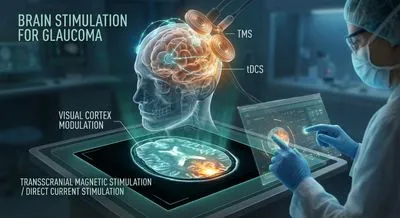
Test Your VisionTranscranial direct current stimulation (tDCS) is a noninvasive method that uses a weak, steady electrical current applied across the scalp to change brain activity. Electrodes placed on the head send a small amount of current that slightly alters the excitability of neurons beneath them. The change is subtle: it makes neurons a bit more or less likely to fire, rather than forcing them to fire directly. This gentle modulation can help researchers and clinicians study brain function and try to improve learning, mood, or recovery after injury. Because it uses very low currents, tDCS is generally safe when done under proper supervision, though it can cause mild side effects like tingling, headache, or skin irritation. People are interested in tDCS because it is portable, relatively inexpensive, and simple to use compared with other brain stimulation methods. It has been studied for many purposes, including helping stroke patients regain movement, improving attention and memory in healthy people, and easing symptoms of depression and chronic pain. Results vary: some studies show benefits while others find little or no effect, so its effectiveness depends on where, how, and for whom it is used. Because outcomes depend on electrode placement, current strength, and individual brain differences, experts emphasize careful protocols and professional oversight. Overall, tDCS matters because it offers a low-risk way to explore and gently influence how brain circuits work, with potential practical and scientific applications.