
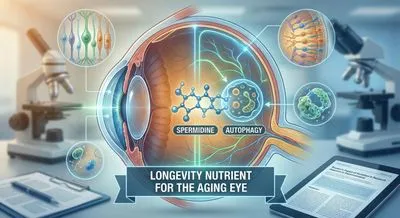
Spermidine and Autophagy: A Longevity Nutrient for the Aging Eye
By inducing autophagy, spermidine helps cells clear damaged components and maintain mitochondrial health. For example, chronic spermidine feeding in...
Deep research and expert guides on maintaining your visual health.
By inducing autophagy, spermidine helps cells clear damaged components and maintain mitochondrial health. For example, chronic spermidine feeding in...
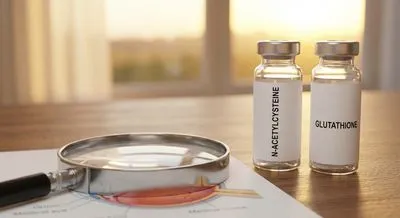
NAC is a lipid-soluble cysteine source that crosses cell membranes and is quickly converted to cysteine, the rate-limiting building block for...
Track peripheral vision changes between eye doctor visits. Start your free trial and get results in under 5 minutes.
The aging eye refers to the natural changes that occur in the eyes as people get older, affecting how well they see and how comfortable the eyes feel. Common changes include a reduced ability to focus on close objects, a gradual clouding of the lens, thinner tears, and a decrease in the number of light-sensing cells in parts of the retina. These changes make reading small print harder, reduce contrast and night vision, and can increase sensitivity to glare. Blood flow and cellular repair processes in the eye also become less efficient with age, which can make the tissues more vulnerable to damage. Because many age-related eye changes develop slowly, regular eye exams are important to catch problems early and keep vision as good as possible. Lifestyle choices such as a nutritious diet, protecting eyes from ultraviolet light, staying hydrated, and not smoking can help preserve eye health. Managing chronic conditions like high blood pressure and diabetes is also key, because those diseases can worsen eye decline. Simple measures — good lighting, corrective lenses when needed, and regular checkups — make a big difference in maintaining independence and quality of life as eyes change with age.