
The Ocular Microbiome, Inflammaging, and Surface Health
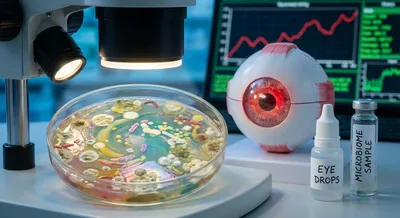
Recent studies confirm that the mix of microbes on the eye changes with age. Using DNA sequencing, scientists showed that “young” and “old” adult...
Deep research and expert guides on maintaining your visual health.
Recent studies confirm that the mix of microbes on the eye changes with age. Using DNA sequencing, scientists showed that “young” and “old” adult...
Screen your peripheral vision from home — no downloads, no waiting rooms. Sign up for a free trial and test in under 5 minutes.
Ocular surface disease refers to a group of conditions that affect the front part of the eye where the tears, cornea, and inner eyelids meet. This area keeps the eye clear, comfortable, and able to focus, so when it is disturbed you can notice dryness, burning, redness, blurred vision, or a feeling like something is in your eye. Common causes include problems with tear production or tear quality, inflammation, damage to the cornea or conjunctiva, frequent contact lens use, allergies, or certain medications and medical conditions. Changes in the tiny community of microbes that live on the eye can also affect surface health and make symptoms worse. Symptoms may come and go or become chronic, and they vary from mild annoyance to severe pain and risk to vision. Doctors diagnose these conditions by asking about symptoms, examining the tear film and surface of the eye, and sometimes using special dyes or lab tests to look for inflammation or infection. Treatment depends on the cause and can include artificial tears, anti-inflammatory medicines, antibiotics, changes in contact lens habits, or procedures to help the eye retain moisture. For many people, simple self-care steps like managing screen time, protecting eyes from wind and dry air, and treating eyelid inflammation can make a big difference. If left untreated, severe surface disease can lead to scarring or infection that harms vision, which is why early recognition and ongoing care matter. Understanding ocular surface disease helps people seek the right care and make everyday changes that keep their eyes healthy and comfortable.