
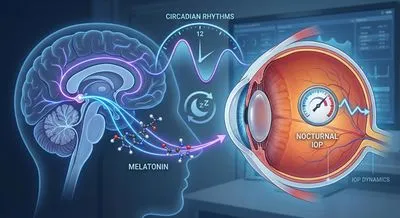
Melatonin, Circadian Rhythms, and Nocturnal IOP Dynamics
Melatonin is not only made by the pineal gland but also produced in the eye itself. Photoreceptors in the retina generate melatonin at night, and the...
Deep research and expert guides on maintaining your visual health.
Melatonin is not only made by the pineal gland but also produced in the eye itself. Photoreceptors in the retina generate melatonin at night, and the...
Our visual field test is inspired by the perimetry methods eye care professionals use. Check for blind spots and track changes over time.
Test Your VisionBeta-blockers are a group of medicines that block certain receptors that respond to adrenaline-like signals, which calms organs that respond to stress. By reducing those signals, these drugs lower heart rate and blood pressure and decrease how hard the heart must work. They are prescribed for conditions such as high blood pressure, irregular heart rhythms, heart failure, migraine prevention, and sometimes for anxiety. In eye care, specific beta-blockers are used as eye drops to lower pressure inside the eye, which helps prevent damage in conditions that threaten vision. These eye drops act by slowing fluid production or altering fluid dynamics so pressure drops. Because systemic beta-blockers affect the whole body when taken by mouth, they can cause side effects like tiredness, cold hands, and breathing difficulties in people with asthma or certain lung problems. That is why clinicians select the type and dose carefully and avoid them in patients with particular heart or lung conditions. It is important to check interactions with other medicines and medical conditions before starting a beta-blocker. When used appropriately, these medicines are effective and widely used to prevent complications in the heart and eyes, so understanding their benefits and risks helps people follow treatment safely.