
If One Person in the Family Has Glaucoma, Should Everyone Else Get Checked?
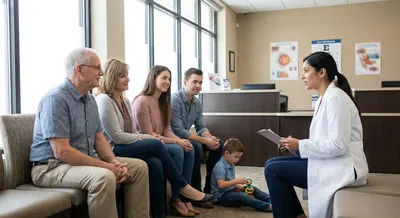
In practical terms, this means that if you learn a family member has glaucoma, doctors advise that other first-degree relatives – especially siblings...
Deep research and expert guides on maintaining your visual health.
In practical terms, this means that if you learn a family member has glaucoma, doctors advise that other first-degree relatives – especially siblings...
Blind spots often develop gradually without symptoms. Start a free trial and take a quick visual field test to spot changes early.
Find Out NowFirst-degree relatives are the closest family members: your parents, your children, and your full biological siblings. Each of these relatives shares about half of their genes with you, which is why medical conditions that run in families often show up among them. Because of this close genetic connection, health problems in a first-degree relative can be a useful warning that you might have a higher chance of the same issue. That’s why doctors often ask about conditions in these family members when assessing risk. Knowing which relatives are first-degree matters for decisions about screening and testing. If a parent, sibling, or child has a particular condition, you may be advised to get earlier or more frequent checkups, consider genetic testing, or talk with a genetic counselor. It’s also important for communication: sharing health information among close family members can help everyone make better choices about prevention and care. At the same time, having a relative with a condition doesn’t guarantee you will develop it, and privacy and personal choice should be respected when discussing family health information.