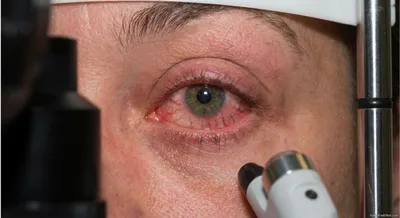
Episcleral venous pressure is the blood pressure inside the small veins that lie on the white part of the eye. Those veins help drain the clear fluid that bathes the front of the eye, so their pressure affects how easily that fluid leaves the eye. When episcleral venous pressure is higher than normal, fluid drains more slowly and overall eye pressure can rise. Elevated eye pressure is a major risk factor for glaucoma, a condition that can damage the optic nerve and lead to vision loss.
Causes of increased episcleral venous pressure include inflammation, blood vessel abnormalities, tumors behind the eye, or other problems that compress or change the orbital veins. It can be hard to measure directly in routine exams, so doctors infer its role from clinical signs and specialized tests when necessary. Treatment focuses on lowering the overall eye pressure and addressing any underlying condition that is raising the venous pressure. Recognizing this pressure as a contributing factor is important because treating it can improve the success of glaucoma therapy and help protect vision.