
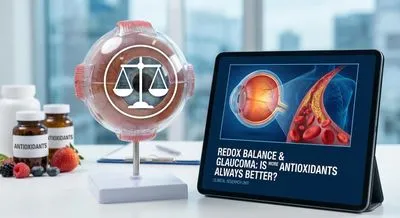
Redox Balance and Glaucoma: Is More Antioxidants Always Better for Your Eyes?
The eye is particularly sensitive because it has high oxygen use and is exposed to light. Normally, your eye fluids and tissues contain antioxidants...
Deep research and expert guides on maintaining your visual health.
The eye is particularly sensitive because it has high oxygen use and is exposed to light. Normally, your eye fluids and tissues contain antioxidants...
Visual field loss from conditions like glaucoma can go unnoticed. Start a free trial and screen for potential blind spots in minutes.
Oxidative damage is the harm that happens when reactive, oxygen-containing molecules attack important components of cells, such as DNA, proteins, and fats. These reactive molecules can change shapes or break chemical bonds in these components, preventing them from doing their jobs properly. Oxidative damage occurs naturally as a byproduct of metabolism but increases with exposure to factors like pollution, ultraviolet light, tobacco smoke, and some chemicals. Cells have repair mechanisms and antioxidants that can fix or limit this kind of damage, but those defenses can be overwhelmed over time. When oxidative damage builds up, it can make cells age faster, malfunction, or die, and this contributes to conditions such as heart disease, neurodegenerative diseases, and certain eye problems. Small amounts of oxidative damage can trigger helpful stress responses that strengthen cells, but long-term or excessive damage is harmful. Supporting repair systems through healthy nutrition, regular exercise, adequate sleep, and minimizing exposure to toxins can reduce the risk of harmful oxidation and protect long-term health.