
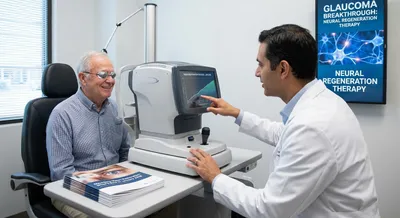
Glaucoma Vision Restoration: What's New in January 2026
This article reviews the state of regenerative ophthalmology for glaucoma as of early 2026. We explain the new therapies under study, summarize any...
Deep research and expert guides on maintaining your visual health.
This article reviews the state of regenerative ophthalmology for glaucoma as of early 2026. We explain the new therapies under study, summarize any...
Track peripheral vision changes between eye doctor visits. Start your free trial and get results in under 5 minutes.
Neuroprotective therapy means treatments designed to protect nerve cells from damage or death. In the eye, this usually refers to methods that help the neurons in the retina and optic nerve survive when they are under stress from disease. These treatments can include medicines that block harmful chemical signals, molecules that support cell survival, antioxidants, growth factors, and sometimes gene-based approaches. The aim is not necessarily to reverse damage that has already happened, but to slow or stop the process that leads to more loss. Neuroprotective therapy can be delivered as eye drops, injections, implants, or systemic medicines depending on the approach. Researchers also explore devices and electrical stimulation that encourage neuronal survival. Because nerve cells in the eye are delicate and don't regenerate easily, protecting them early can make a big difference in preserving vision. One challenge is finding reliable ways to measure whether the therapy is working, since subtle changes in nerve health are hard to detect. Another challenge is making sure treatments reach the right cells safely and without unwanted side effects. Overall, neuroprotective therapy matters because it offers a way to preserve vision when other treatments that address the original cause cannot fully prevent neuron loss.