
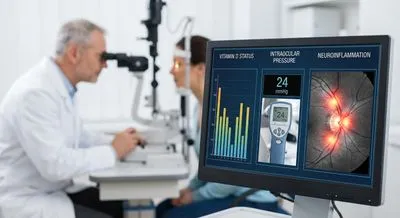
Vitamin D Status, Intraocular Pressure, and Neuroinflammation
Several large surveys have tested if vitamin D levels correlate with glaucoma. For example, a Korean health-screening study of over 120,000 adults...
Deep research and expert guides on maintaining your visual health.
Several large surveys have tested if vitamin D levels correlate with glaucoma. For example, a Korean health-screening study of over 120,000 adults...
Screen your peripheral vision from home — no downloads, no waiting rooms. Sign up for a free trial and test in under 5 minutes.
Vitamin D deficiency means your body doesn't have enough vitamin D, a nutrient your body makes when skin is exposed to sunlight and also gets from some foods. Vitamin D helps your body absorb calcium, which is important for strong bones, and it also supports your immune system and muscle function. When levels are low, people may feel tired, weak, or experience bone pain and more frequent infections, although some signs can be subtle. Certain groups are more likely to have low levels, including people who spend little time outdoors, those with darker skin, older adults, and people who have trouble absorbing nutrients from food. Doctors can check vitamin D with a simple blood test and recommend ways to raise levels if needed. Treating deficiency usually involves safe increases in sun exposure, eating vitamin D–rich foods, and taking vitamin D pills when appropriate. It's important because long-term deficiency can lead to bone problems like rickets in children and osteoporosis or fractures in adults, and it may make other health issues worse. If you think you might be deficient, it’s best to talk with a healthcare provider before starting pills, because too much vitamin D can also cause harm.