

How Fast Does Glaucoma Progress
There is no single answer to “how fast does glaucoma progress?” – rates vary enormously. Major studies show untreated glaucoma often worsens...
Deep research and expert guides on maintaining your visual health.
There is no single answer to “how fast does glaucoma progress?” – rates vary enormously. Major studies show untreated glaucoma often worsens...
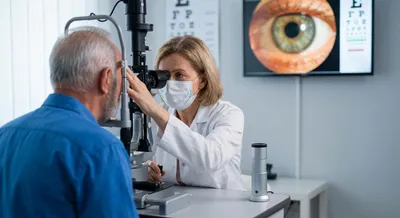
For angle-closure glaucoma, the genetics are more complex and less clear-cut. This form depends on eye shape (shallow front chamber) more than one...
Our visual field test is inspired by the perimetry methods eye care professionals use. Check for blind spots and track changes over time.
Test Your VisionRisk factors are characteristics, conditions, or behaviors that make it more likely a person will develop a disease or health problem. In the context of eye disease, common risk factors include older age, a family history, higher pressure inside the eye, certain ethnic backgrounds, and past eye injuries. Some medical conditions, such as diabetes and high blood pressure, or long-term use of steroid medications, also raise the chance of developing eye damage. Risk factors can be divided into non-modifiable ones you cannot change—like your age or genes—and modifiable ones you can influence, such as controlling blood pressure or avoiding unnecessary steroid use. Understanding which risk factors apply to you matters because it guides how often you should get screened and what preventive steps you can take. If you have multiple risk factors, your doctor may recommend earlier or more frequent testing and a lower threshold for starting treatment. Knowing your risk profile also helps prioritize lifestyle changes and medical monitoring that can prevent or slow vision loss. Keeping a clear record of family eye history and sharing it with your healthcare provider makes screening more effective. Recognizing risk factors empowers people to take action before symptoms appear, when treatments are most effective.