
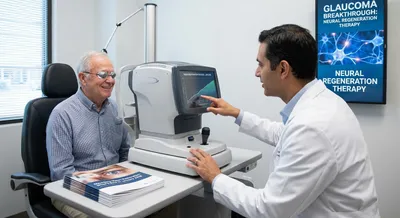
Glaucoma Vision Restoration: What's New in January 2026
This article reviews the state of regenerative ophthalmology for glaucoma as of early 2026. We explain the new therapies under study, summarize any...
Deep research and expert guides on maintaining your visual health.
This article reviews the state of regenerative ophthalmology for glaucoma as of early 2026. We explain the new therapies under study, summarize any...
Visual field loss from conditions like glaucoma can go unnoticed. Start a free trial and screen for potential blind spots in minutes.
Regenerative ophthalmology is the field focused on repairing or rebuilding damaged eye tissues to restore vision. It draws on stem cell science, tissue engineering, gene editing, and biomaterials to replace lost cells or stimulate the eye to heal itself. Approaches include transplanting healthy cells into the retina, encouraging surviving cells to regrow connections, growing retinal tissue in the lab for transplantation, and using scaffolds or gels to support tissue repair. The goal is to go beyond slowing disease and actually restore structure and function that has been lost. This field matters because many eye conditions, such as degenerative retinal diseases and optic nerve injury, currently have limited options for reversing vision loss. Regenerative methods offer hope for meaningful recovery of sight for people who have exhausted standard treatments. Challenges include making sure transplanted cells integrate correctly, avoiding immune rejection, ensuring long-term survival and function, and proving safety and effectiveness in people. Progress is steady but careful testing is required before widespread clinical use. In short, regenerative ophthalmology seeks to rebuild the eye so that it can see again, rather than only managing symptoms.