
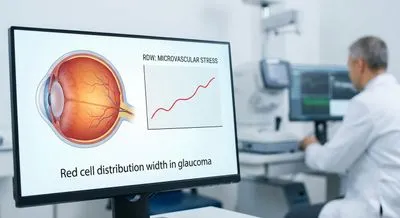
Red cell distribution width as a microvascular stress marker in glaucoma
RDW is one number in a CBC blood test, which most people can get through their doctor or even direct-to-consumer lab services. The CBC reports your...
Deep research and expert guides on maintaining your visual health.
RDW is one number in a CBC blood test, which most people can get through their doctor or even direct-to-consumer lab services. The CBC reports your...
Track peripheral vision changes between eye doctor visits. Start your free trial and get results in under 5 minutes.
Capillary density describes how many tiny blood vessels called capillaries exist in a given area of tissue. These microscopic vessels are where oxygen, nutrients, and waste products are exchanged between blood and cells. A higher density usually means better oxygen delivery and waste removal, which supports healthier and more active tissue. Low capillary density can lead to poor healing, reduced organ function, and symptoms like pain or fatigue in affected areas. Doctors and researchers measure capillary density with various imaging methods to assess microcirculation in organs or skin. Changes in this measure can point to diseases such as diabetes, peripheral artery disease, or chronic inflammatory conditions. Lifestyle factors and interventions like exercise, diet, and certain medications can influence capillary growth and density over time. In some settings, monitoring capillary density helps predict outcomes or guide treatments that aim to improve blood supply. Because capillaries are so small and numerous, small changes can have a big impact on overall tissue health. Understanding capillary density gives a clearer picture of how well tissues are getting what they need to function and recover.