

Home Tonometers and Contact Lens Sensors in April 2026 Protocols
Home readings can also serve as early safety signals. Protocols typically pre-specify pressure thresholds or warning rules. For instance, the...
Deep research and expert guides on maintaining your visual health.
Home readings can also serve as early safety signals. Protocols typically pre-specify pressure thresholds or warning rules. For instance, the...
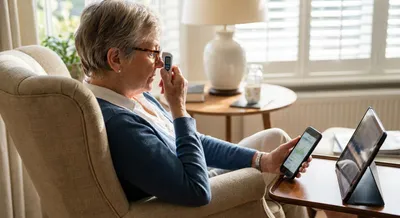
The main type of home tonometer approved for patients is the rebound tonometer. Instead of the clinic “puff” or a weighted cuff, a rebound tonometer...
Visual field loss from conditions like glaucoma can go unnoticed. Start a free trial and screen for potential blind spots in minutes.
Remote monitoring means using technology to observe and collect information about someone or something from a distance rather than in person. It often involves sensors, wearables, cameras, or connected devices that record data and send it to a central system or a care team. In health care, this can include tracking vital signs, symptoms, or device readings at home and transmitting that information to clinicians. The main benefit is ongoing observation between clinic visits, which helps catch changes earlier than occasional appointments alone. It also makes care more convenient for people who have difficulty traveling or who need frequent checks. Remote monitoring matters because it creates a continuous record of what is happening over time, enabling more personalized and timely care. There are practical trade-offs: it requires reliable internet or cellular connections, people who know how to use devices, and strong protections for privacy and data security. Clinicians must also manage and interpret large volumes of incoming data without becoming overwhelmed. Done well, remote monitoring can reduce hospital visits, lower costs, and keep people safer by alerting providers to problems sooner.