
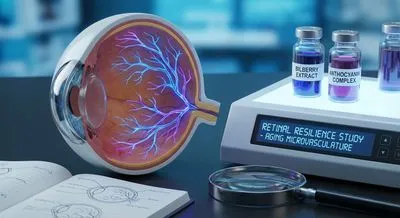
Anthocyanins and Bilberry Extracts: Retinal Resilience and Aging Microvasculature
Animal research confirms that bilberry anthocyanins protect retinal cells by enhancing antioxidant systems and damping inflammation. In a rabbit...
Deep research and expert guides on maintaining your visual health.
Animal research confirms that bilberry anthocyanins protect retinal cells by enhancing antioxidant systems and damping inflammation. In a rabbit...
Blind spots often develop gradually without symptoms. Start a free trial and take a quick visual field test to spot changes early.
Find Out NowMicrovasculature refers to the smallest blood vessels in the body, such as capillaries, arterioles, and small venules. These tiny channels form an extensive network that moves oxygen, nutrients, and immune cells to every cell while carrying away waste products. Because they are so small and numerous, they control how well tissues get supplied with what they need and how quickly they recover from injury. Problems in the microvasculature can reduce oxygen delivery, cause tissue swelling, and impair healing even when larger arteries look normal. Conditions like high blood sugar, high blood pressure, inflammation, and aging can damage these vessels and change how they function. Healthy microvasculature matters for vision, brain function, wound healing, and organ health because those tissues rely heavily on fine-scale blood flow. Doctors and researchers study these vessels using imaging methods and special tests to detect early changes before major disease appears. Many lifestyle steps—regular exercise, good blood sugar control, healthy diet, and avoiding smoking—help protect the microvasculature. In some cases medicines or targeted therapies can reduce inflammation or improve blood flow to support recovery and prevent complications.