
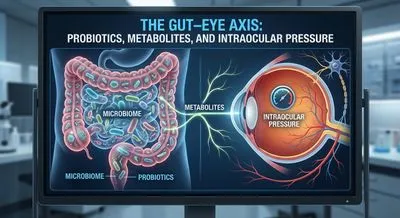
The Gut–Eye Axis: Probiotics, Metabolites, and Intraocular Pressure
SCFAs are fatty acids with fewer than six carbon atoms, mainly acetate, propionate, and butyrate, produced by gut bacteria digesting fiber. They...
Deep research and expert guides on maintaining your visual health.
SCFAs are fatty acids with fewer than six carbon atoms, mainly acetate, propionate, and butyrate, produced by gut bacteria digesting fiber. They...
Our visual field test is inspired by the perimetry methods eye care professionals use. Check for blind spots and track changes over time.
Test Your VisionShort-chain fatty acids are small molecules made when friendly bacteria in the gut break down fiber from the foods we eat. The most common ones are acetate, propionate, and butyrate, and they all have just a few carbon atoms, which is why they are called short-chain. These compounds serve as a fuel source for cells that line the colon, helping to keep the gut lining healthy and intact. They also act like chemical messengers, influencing the immune system and helping to control inflammation throughout the body. Because they affect how the body uses energy, short-chain fatty acids can influence appetite, blood sugar control, and even body weight. They can move beyond the gut and affect organs elsewhere, so their impact is not limited to digestion alone. People usually boost their production by eating more fiber-rich foods such as vegetables, fruits, whole grains, and legumes, or by consuming certain fermented foods and prebiotics. When levels of these fatty acids are low or imbalanced, it is often linked with digestive problems and a higher risk of some chronic conditions. Scientists study them because they offer a natural way to support gut health and overall well-being, and because changing diet or microbes can change their amounts. In short, these small molecules are a key bridge between what we eat, the microbes in our gut, and our health.