
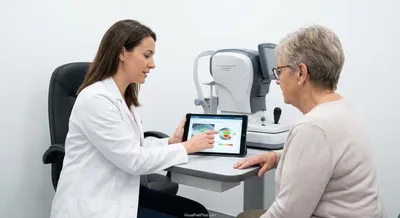
The Future of Glaucoma Care May Be Personal: Matching Treatment to Each Patient’s Risk
Today we are on the brink of truly personalized glaucoma care, where doctors will tailor follow-up plans and treatments to each person’s unique risk...
Deep research and expert guides on maintaining your visual health.
Today we are on the brink of truly personalized glaucoma care, where doctors will tailor follow-up plans and treatments to each person’s unique risk...
Sustained-release medication is a way of delivering drugs so they are released slowly into the body over an extended period. Instead of taking a pill or eye drop every day, a sustained-release option might be an implant, an injection, a patch, or a special formulation that keeps a steady dose available. The aim is to maintain a consistent level of medicine where it is needed, reduce the need for frequent dosing, and improve convenience. For people with long-term conditions, this approach can make treatment easier to follow and reduce the chance of missed doses. Keeping drug levels steady can also lessen side effects that happen with the highs and lows of traditional dosing. In eye care, sustained-release methods can deliver medicine directly to the eye, which can be more effective and reduce how much drug reaches the rest of the body. This can lead to better disease control and fewer systemic side effects. However, sustained-release options can be more expensive and sometimes require procedures to place or remove the device. There may also be risks like infection or device complications, so doctors weigh benefits and downsides with each patient. When used appropriately, these medicines can simplify treatment and improve outcomes for chronic conditions.