
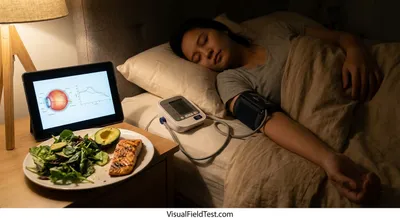
Low-Carb Diets and Nocturnal Blood Pressure Dips: Ocular Perfusion Risks and Benefits
Research has shown that excessive night-time hypotension is associated with glaucomatous damage. In fact, Hayreh and colleagues found that night-time...
Deep research and expert guides on maintaining your visual health.
Research has shown that excessive night-time hypotension is associated with glaucomatous damage. In fact, Hayreh and colleagues found that night-time...
Our visual field test is inspired by the perimetry methods eye care professionals use. Check for blind spots and track changes over time.
Test Your VisionAutonomic dysfunction is a condition where the part of your nervous system that controls automatic body functions doesn't work properly. This system handles things you usually don't think about, like heart rate, blood pressure, digestion, sweating, and bladder control. When it malfunctions, people can feel dizzy or faint when they stand, have unstable blood pressure, experience digestive problems, or notice abnormal sweating. Causes range from diabetes and peripheral nerve damage to certain neurological diseases and side effects of some medications. Doctors diagnose it using a mix of medical history, physical exams and specialized tests such as measuring heart rate changes, tilt-table testing, and other reflex tests. Treatment focuses on managing symptoms and reducing risks rather than curing the condition in most cases. Simple measures like standing up slowly, increasing salt and fluid intake, compression stockings, and physical counter-maneuvers can help, while medications may be used when needed. Addressing the underlying cause, such as better diabetes control, can also improve outcomes. It matters because autonomic dysfunction can greatly limit daily activities, raise the risk of falls and fainting, and affect how well blood and oxygen reach vital organs. Early recognition and a tailored care plan can improve safety and quality of life for people affected.