
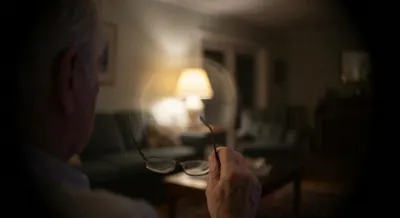
What Are the Symptoms of Glaucoma
As POAG progresses, symptoms emerge only gradually. Patients may describe difficulty discriminating contrast, or an unusual glare or halo around...
Deep research and expert guides on maintaining your visual health.
As POAG progresses, symptoms emerge only gradually. Patients may describe difficulty discriminating contrast, or an unusual glare or halo around...
Blind spots often develop gradually without symptoms. Start a free trial and take a quick visual field test to spot changes early.
Find Out NowUveitic glaucoma is a form of glaucoma that happens when inflammation inside the eye interferes with the eye’s normal fluid drainage, causing pressure inside the eye to rise and damage the optic nerve. The inflammation I’m talking about usually comes from a condition called uveitis, which affects the middle layer of the eye and can be caused by infections, autoimmune problems, or sometimes an unknown trigger. When inflamed tissue clogs or scars the drainage pathways, fluid builds up and pressure goes up; some of the medicines used to treat inflammation can also raise pressure. Symptoms can include eye pain, redness, blurred vision, light sensitivity, or sometimes none at all until damage has occurred. Doctors diagnose it with a complete eye exam that measures eye pressure, looks for inflammation, and checks the optic nerve and visual field. Treatment needs to do two things at once: quiet the inflammation with steroids or other immune treatments and lower the eye pressure with medicines or procedures. If medicines don’t work, surgery or a drainage implant may be needed to protect vision. Because the condition can be chronic and come back, ongoing follow-up with an eye specialist is important to catch flares early. Managing both the inflammation and the pressure is key, because uncontrolled uveitic glaucoma can lead to permanent vision loss.