
Can You Have Glaucoma in One Eye
In this article we will explore unilateral and asymmetric glaucoma in depth. We begin with why one eye can be affected more than the other, then...
Deep research and expert guides on maintaining your visual health.
In this article we will explore unilateral and asymmetric glaucoma in depth. We begin with why one eye can be affected more than the other, then...
Blind spots often develop gradually without symptoms. Start a free trial and take a quick visual field test to spot changes early.
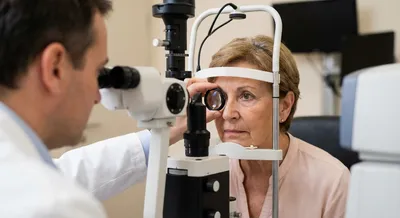
Find Out NowUnilateral glaucoma means that the disease is affecting only one eye at the time of diagnosis. In glaucoma, pressure inside the eye or poor blood flow damages the optic nerve, and when this damage is found in just one eye it is called unilateral. This can happen for many reasons, including prior eye injury, past eye surgery, certain eye conditions that affect only one eye, or early stages of a disease that has not yet appeared in the other eye. People may notice symptoms like gradual loss of side vision, intermittent eye pain, or no symptoms at all — many cases are found during a routine eye exam. Eye doctors use tests such as eye pressure checks, optic nerve exams, visual field tests, and imaging of the nerve to confirm the diagnosis. Treating the affected eye usually aims to lower eye pressure and protect remaining vision through drops, laser procedures, or sometimes surgery. It matters because vision lost to glaucoma cannot be restored, so prompt treatment matters to prevent further loss in the affected eye. Even if only one eye shows damage now, the other eye needs regular monitoring because glaucoma can develop there later. Managing risk factors like high eye pressure, vascular disease, and medication adherence reduces the chance of progression, and follow-up care helps catch changes early.