
How to Test for Glaucoma
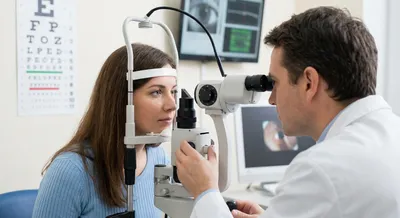
Goldmann Applanation Tonometry (GAT) is the gold standard for IOP measurement. () In this test, a tiny probe gently flattens (“applanates”) the...
Deep research and expert guides on maintaining your visual health.
Goldmann Applanation Tonometry (GAT) is the gold standard for IOP measurement. () In this test, a tiny probe gently flattens (“applanates”) the...
Visual field loss from conditions like glaucoma can go unnoticed. Start a free trial and screen for potential blind spots in minutes.
Tonometry is a method used by eye care professionals to measure the pressure inside the eye, often called intraocular pressure. Measuring this pressure is important because high pressure is one of the main risk factors for glaucoma, which can damage the optic nerve. There are several ways to do tonometry: one common method uses a puff of air, another lightly touches the cornea after numbing drops, and advanced devices can measure pressure without touching the eye. The puff method is quick and doesn't require drops, while the contact method can be more accurate but needs a few seconds of contact and a numbing drop. Results are given in millimeters of mercury (mmHg), and a higher number may prompt further testing even though pressure alone does not prove glaucoma. Tonometry matters because it helps doctors identify people who might need more detailed exams or treatment to lower eye pressure. A single high reading is not a diagnosis; pressure can vary during the day, so doctors often repeat measurements or use additional tests to get a full picture. The test is generally safe, quick, and painless; the most common side effects are minor irritation or temporary blurring after contact methods. Understanding tonometry helps patients know why pressure checks are part of routine eye care and why follow-up tests may be needed if readings are elevated.