
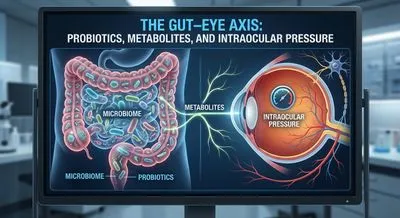
The Gut–Eye Axis: Probiotics, Metabolites, and Intraocular Pressure
SCFAs are fatty acids with fewer than six carbon atoms, mainly acetate, propionate, and butyrate, produced by gut bacteria digesting fiber. They...
Deep research and expert guides on maintaining your visual health.
SCFAs are fatty acids with fewer than six carbon atoms, mainly acetate, propionate, and butyrate, produced by gut bacteria digesting fiber. They...
Blind spots often develop gradually without symptoms. Start a free trial and take a quick visual field test to spot changes early.
Find Out NowProbiotics for eye health means using beneficial microbes, or strategies that boost them, to help protect or improve the eyes. The idea is not only to place good microbes near the eye, but also to support helpful microbial communities in the body that influence inflammation and immune responses. Probiotics are most commonly taken for gut benefits, and those gut changes can indirectly affect the eyes through immune signaling and metabolites. Researchers are exploring whether probiotics might reduce certain forms of eye inflammation, support recovery after infection, or help with chronic conditions like dry eye. Some studies are testing oral supplements, while others look at topical approaches, but this area of research is still emerging and not yet standard care. Because the evidence is evolving, people should be cautious and consult an eye care provider before trying treatments aimed specifically at the eyes. Simple, low-risk ways to support overall microbial balance include a healthy diet, fiber, and avoiding unnecessary antibiotics. The potential of probiotics for eye health matters because it could add new, noninvasive tools for preventing and managing eye problems. As studies advance, clearer guidance will emerge about which probiotics, doses, and methods are helpful and safe for specific eye conditions.