
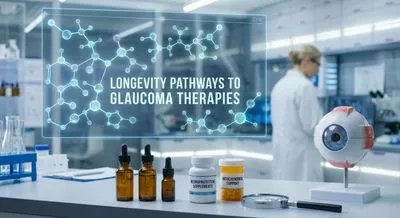
From Bench to Bedside: Translating Longevity Pathways to Glaucoma Supplements
Biologists studying aging (“longevity pathways”) have identified key regulators – AMPK, mTOR, sirtuins, autophagy, and cellular senescence – that...
Deep research and expert guides on maintaining your visual health.
Biologists studying aging (“longevity pathways”) have identified key regulators – AMPK, mTOR, sirtuins, autophagy, and cellular senescence – that...
Visual field loss from conditions like glaucoma can go unnoticed. Start a free trial and screen for potential blind spots in minutes.
Optic nerve neuroprotection means protecting the bundle of nerve fibers that carry visual signals from the eye to the brain. It focuses on preventing damage, preserving nerve cell health, and keeping the connection between the eye and brain working well. Damage to these nerves can lead to gradual, permanent vision loss, so protecting them can slow or prevent vision problems. Strategies can include lowering pressure inside the eye, reducing harmful inflammation, supplying nutrients or growth factors, and blocking cell-death pathways. Researchers also study antioxidants, medications, and gene-based approaches that might strengthen nerve resilience. Neuroprotection is important not just for people with known eye disease, but also for older adults and anyone at risk of nerve injury from trauma or other conditions. Some approaches are already used in clinics, while others are still being tested in studies to prove they are safe and effective. The goal is to maintain sight by keeping nerve cells healthy and functional for as long as possible. Understanding and supporting neuroprotection can change the course of diseases that would otherwise silently rob people of their vision.