
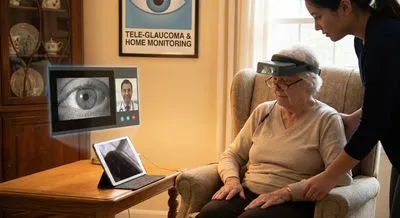
Tele-Glaucoma and Home Monitoring in Aging Populations
Intraocular pressure (IOP) is the most important modifiable risk factor in glaucoma. Remote IOP monitoring lets patients record pressures at home...
Deep research and expert guides on maintaining your visual health.
Intraocular pressure (IOP) is the most important modifiable risk factor in glaucoma. Remote IOP monitoring lets patients record pressures at home...
Older adults refers to people who are in the later stages of life, often considered to be those in their 60s and beyond, although there is no single age that defines it. This group is very diverse: some people remain active and independent, while others need help with daily tasks or health care. With age, the risk of chronic conditions like heart disease, diabetes, hearing or vision loss, and mobility problems increases, so regular checkups and preventive care become more important. Social needs also change—many older adults value independence, meaningful relationships, and staying engaged in their communities. Changes in memory or thinking can affect some people, and timely assessment and support can improve quality of life. Financial concerns, housing, and access to transportation or technology are common issues that influence how easily someone can get the care and services they need. Families and caregivers play a big role for many older adults, but it’s also important to respect each person’s preferences and dignity. Society benefits from planning services and accommodations that help older people remain healthy and involved, because an aging population is a growing part of many communities.