
Glaucoma and Glutamine: Is There a Real Link Through Glutamate, Retinal Metabolism, and Neurodegeneration?
Neuron releases glutamate → Glial cell converts glutamate → glutamine → Glial cell sends glutamine back → Neuron converts glutamine back to...
Deep research and expert guides on maintaining your visual health.
Neuron releases glutamate → Glial cell converts glutamate → glutamine → Glial cell sends glutamine back → Neuron converts glutamine back to...
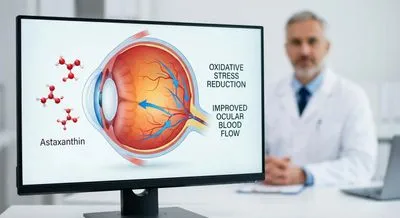
Astaxanthin protects eye cells from oxidative damage. In animal models of eye disease, AXT reduced markers of stress and inflammation in the retina...
Our visual field test is inspired by the perimetry methods eye care professionals use. Check for blind spots and track changes over time.
Test Your VisionNutritional supplements are products people take to add vitamins, minerals, herbs, amino acids, or other nutrients to their diet. They come in many forms like tablets, capsules, powders, liquids, and gummies, and are meant to fill gaps when food alone might not provide enough of a nutrient. Many people use supplements to support overall health, boost energy, improve immune function, or address specific needs such as bone or heart health. They can be helpful for people with restricted diets, certain medical conditions, or higher nutrient needs, but they are not a substitute for balanced meals. The quality and strength of supplements vary a lot because regulation is different from that of prescription medicines, so some products may not contain what their labels claim. Supplements can interact with medications or cause side effects when taken in excess, so safety and proper dosing matter. Choosing products from reputable brands, checking for third-party testing, and talking with a healthcare professional can reduce risk and improve benefit. Understanding why you want a supplement and checking if you have a true deficiency are important steps before starting one. When used thoughtfully, supplements can be a useful part of a healthy lifestyle, but they work best alongside good nutrition, sleep, exercise, and medical advice.