

Macronutrient Patterns and Intraocular Pressure: A Systematic Evaluation
This article reviews the latest evidence on macronutrient patterns and glaucoma. We will survey epidemiologic studies of diet patterns...
Deep research and expert guides on maintaining your visual health.
This article reviews the latest evidence on macronutrient patterns and glaucoma. We will survey epidemiologic studies of diet patterns...
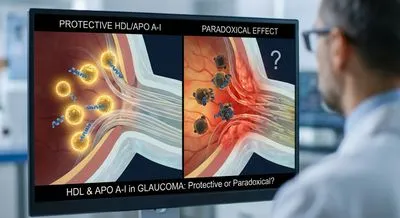
In general health, HDL carries cholesterol from tissues back to the liver and has anti-inflammatory and antioxidant actions. For example, HDL...
Screen your peripheral vision from home — no downloads, no waiting rooms. Sign up for a free trial and test in under 5 minutes.
Lipids are a group of naturally occurring molecules that include fats, oils, and fat-like substances found in plants and animals. They are made from fatty acids and related building blocks and do not dissolve in water the way sugar does. Common types include triglycerides, cholesterol, and phospholipids, and each plays a different role in the body. Lipids store energy, help form the structure of cell membranes, serve as building blocks for hormones, and assist with absorbing fat-soluble vitamins. Because lipids move through the bloodstream inside carrier particles, doctors often measure blood lipid levels to assess health. High amounts of certain lipids, like some forms of cholesterol and triglycerides, are linked with greater risk of heart and blood vessel problems, while very low levels of others can also be harmful. Diet, exercise, genetics, smoking, and some medications all influence lipid levels. Understanding lipids matters because managing them helps prevent disease, supports normal growth and brain function, and guides treatment choices to keep you healthier over time.