
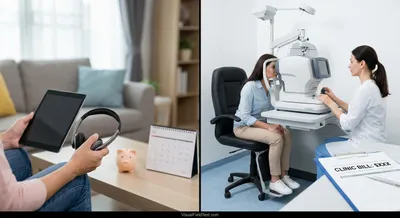
Economics of high-frequency home monitoring versus clinic-based perimetry
Clinic perimetry is very reliable but requires specialized equipment (like a Humphrey Field Analyzer) and trained staff. It can be costly and...
Deep research and expert guides on maintaining your visual health.
Clinic perimetry is very reliable but requires specialized equipment (like a Humphrey Field Analyzer) and trained staff. It can be costly and...

Home readings can also serve as early safety signals. Protocols typically pre-specify pressure thresholds or warning rules. For instance, the...
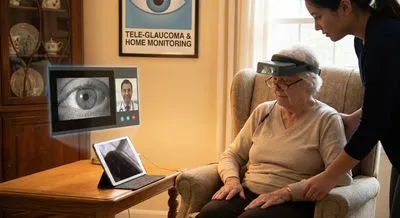
Intraocular pressure (IOP) is the most important modifiable risk factor in glaucoma. Remote IOP monitoring lets patients record pressures at home...
Our visual field test is inspired by the perimetry methods eye care professionals use. Check for blind spots and track changes over time.
Test Your VisionHome monitoring means using easy-to-use devices or apps to check your health from where you live instead of always going to a clinic. It can include measuring things like blood pressure, blood sugar, breathing, or vision using small tools that send information to a doctor or store it for you. This approach lets people track changes over time and spot problems earlier, which can lead to faster treatment and better outcomes. It also helps reduce trips to the doctor, which is useful for people with mobility issues or those who live far from medical centers. Data collected at home gives a more complete picture of everyday health because it reflects normal conditions instead of a single clinic visit. Home monitoring can increase a person’s control over their own care and help them learn how daily habits affect their health. However, it relies on clear instructions, reliable devices, and secure ways to share information so the data is accurate and private. Some people may need help setting up devices or interpreting results, so support from family or health professionals is important. When used well, it can make care more convenient and responsive, and sometimes cheaper, by catching problems before they get worse.