
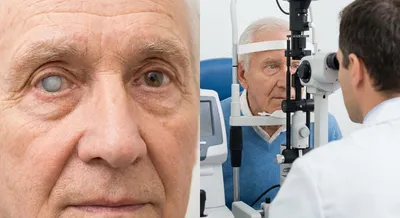
Which Is Worse Cataracts or Glaucoma
Yet cataracts and glaucoma both become more common with age and often occur together, so understanding their differences matters for any patient....
Deep research and expert guides on maintaining your visual health.
Yet cataracts and glaucoma both become more common with age and often occur together, so understanding their differences matters for any patient....
Visual field loss from conditions like glaucoma can go unnoticed. Start a free trial and screen for potential blind spots in minutes.
Healthcare cost refers to the money people and systems spend to prevent, diagnose, and treat illness and injury. It includes doctor visits, hospital stays, surgical procedures, medicines, medical devices, tests, and long-term care, plus indirect expenses like travel, lost work time, and caregiving. Costs can be paid by individuals, insurance companies, employers, or government programs, and what a person actually pays out of pocket depends on their coverage and benefits. High healthcare costs can limit access to needed care, force people to skip treatments, or cause financial stress and medical debt. Understanding these costs helps people make informed choices about insurance, treatment options, and preventive care. Policymakers and health systems monitor costs to try to make care more affordable and fair, and to improve public health outcomes. Efforts to lower costs include promoting prevention, improving pricing transparency, negotiating prices for drugs and services, and expanding coverage. Healthcare cost matters because it affects who gets timely care, the quality of that care, and the overall health and economic wellbeing of individuals and communities.