
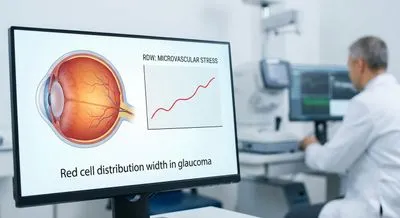
Red cell distribution width as a microvascular stress marker in glaucoma
RDW is one number in a CBC blood test, which most people can get through their doctor or even direct-to-consumer lab services. The CBC reports your...
Deep research and expert guides on maintaining your visual health.
RDW is one number in a CBC blood test, which most people can get through their doctor or even direct-to-consumer lab services. The CBC reports your...
Genetic analysis is the process of examining a person’s DNA to learn about genes and the differences that make individuals unique. It can range from looking at a few specific gene changes to reading large stretches of the genome to find variations linked to traits, health risks, or ancestry. Scientists and doctors use different methods, such as sequencing or genotyping, to detect these differences and interpret what they might mean. Results can help diagnose inherited conditions, predict risks for certain diseases, guide treatment choices, and inform family planning. Genetic analysis is also a powerful research tool that helps identify biological pathways behind illnesses and points to potential new treatments. However, having a genetic variant does not always mean someone will develop a condition—environment, lifestyle, and other genes matter too. There are also important ethical and privacy considerations because genetic information is personal and can affect relatives. For these reasons, results are often discussed with healthcare professionals or genetic counselors so people can understand implications and make informed decisions.