
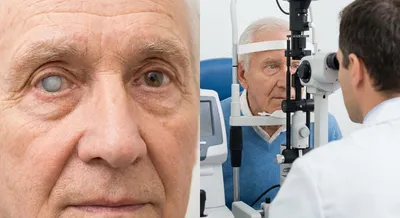
Which Is Worse Cataracts or Glaucoma
Yet cataracts and glaucoma both become more common with age and often occur together, so understanding their differences matters for any patient....
Deep research and expert guides on maintaining your visual health.
Yet cataracts and glaucoma both become more common with age and often occur together, so understanding their differences matters for any patient....
Visual field loss from conditions like glaucoma can go unnoticed. Start a free trial and screen for potential blind spots in minutes.
Eye surgery refers to medical operations performed on the eye to fix problems that cannot be treated with medicine alone. Common procedures include removing cloudy lenses (cataract surgery), lowering pressure inside the eye to protect vision, reshaping the cornea to reduce the need for glasses, and repairing detachments or tears in the retina. Some surgeries are quick and done as outpatient procedures, while others are more complex and require hospital care or longer recovery. The goal of many eye surgeries is to restore or preserve vision, relieve pain, or prevent further damage to the eye. Like all surgeries, eye procedures carry risks such as infection, bleeding, or changes in vision, so doctors weigh the benefits against the risks before recommending them. Recovery often involves eye drops, follow-up visits, and temporary limits on activities to protect the healing eye. Advances in technology have made many eye surgeries safer and more precise than in the past. Knowing what to expect before and after surgery helps patients feel more prepared and improves outcomes. Eye surgery matters because it can dramatically improve quality of life by restoring sight or stopping vision loss that would otherwise be permanent.