
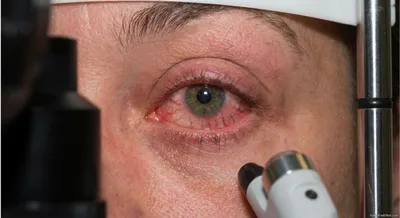
Carotid-Cavernous Fistula and Glaucoma: Venous Hypertension at the Eye
Early signs of a CCF can include a red, swollen eye, a bulging eyeball (proptosis), a noise like a whoosh in the head (bruit), and vision changes....
Deep research and expert guides on maintaining your visual health.
Early signs of a CCF can include a red, swollen eye, a bulging eyeball (proptosis), a noise like a whoosh in the head (bruit), and vision changes....
Our visual field test is inspired by the perimetry methods eye care professionals use. Check for blind spots and track changes over time.
Test Your VisionEndovascular treatment is a minimally invasive approach that treats problems in blood vessels by threading tiny catheters, wires, and devices through the vascular system instead of opening the body with large incisions. Doctors access the bloodstream, usually through an artery in the groin or wrist, and guide tools under X-ray or other imaging to the site of the problem, where they can deliver coils, glue-like materials, stents, balloons, or other agents to block, support, or reshape vessels. This kind of treatment is commonly used for abnormal connections between arteries and veins, aneurysms, or blockages that are dangerous or causing symptoms. The key advantages are smaller wounds, less pain, shorter hospital stays, and faster recovery than traditional open surgery. It also allows the medical team to target the exact area of concern and preserve surrounding tissue and function. Despite these benefits, endovascular procedures carry risks such as bleeding, infection, vessel injury, or stroke, and sometimes the treated lesion can recur, requiring follow-up care. A careful evaluation with imaging beforehand and skilled specialists are important to plan the safest and most effective approach. When successful, endovascular treatment can restore normal circulation, relieve pressure on nearby structures, and prevent loss of vision or other serious complications.