
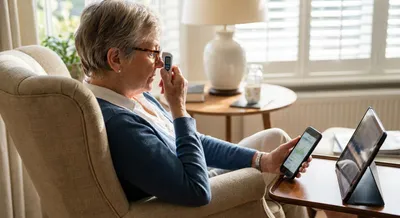
Home Tonometry and Remote Monitoring in Glaucoma – A Patient-Centered Investigation
The main type of home tonometer approved for patients is the rebound tonometer. Instead of the clinic “puff” or a weighted cuff, a rebound tonometer...
Deep research and expert guides on maintaining your visual health.
The main type of home tonometer approved for patients is the rebound tonometer. Instead of the clinic “puff” or a weighted cuff, a rebound tonometer...
Blind spots often develop gradually without symptoms. Start a free trial and take a quick visual field test to spot changes early.
Find Out NowDigital health refers to the use of technology to deliver, monitor, and improve health and wellness. It includes things like smartphone apps for tracking exercise and mood, wearable devices that measure heart rate and sleep, telemedicine video visits, electronic health records, and remote monitoring tools that send information to clinicians. These technologies collect data, help people manage chronic conditions, remind patients about medications, and let care providers see health information without an in-person visit. Digital health often uses software, sensors, and internet connections to make care more convenient and timely. It matters because it can increase access to care for people who live far from clinics or who have trouble traveling. It can help detect problems earlier by continuously tracking signs like blood pressure or sleep patterns, and it can support prevention by encouraging healthy habits. For clinicians, digital tools can reduce paperwork, speed up communication, and provide data that supports better decisions. At the same time, it raises important questions about privacy, data security, fairness, and who gets access to these benefits. When used thoughtfully and with safeguards, digital health can make care more personal, affordable, and effective for many people.