
What Are the Symptoms of Glaucoma
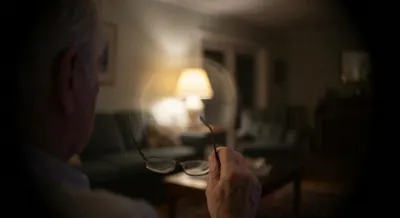
As POAG progresses, symptoms emerge only gradually. Patients may describe difficulty discriminating contrast, or an unusual glare or halo around...
Deep research and expert guides on maintaining your visual health.
As POAG progresses, symptoms emerge only gradually. Patients may describe difficulty discriminating contrast, or an unusual glare or halo around...
Screen your peripheral vision from home — no downloads, no waiting rooms. Sign up for a free trial and test in under 5 minutes.
Congenital glaucoma symptoms are the signs that a baby or young child has glaucoma from birth or develops it very early in life. Because the fluid drainage system in the eye doesn’t form correctly, pressure inside the eye can rise and cause distinct symptoms. Typical signs include excessive tearing, sensitivity to light, and a cloudy or hazy cornea that makes the eye look misty. Parents may also notice that one or both eyes appear larger than normal or that the child blinks a lot and avoids bright rooms. Infants cannot describe vision problems, so these outward signs are often the first clue. These symptoms matter because early damage from high eye pressure can permanently harm vision if not treated quickly. A pediatric eye specialist can confirm the diagnosis with a careful exam and measurements and usually recommends prompt treatment, often surgery, to protect sight. After treatment, children need ongoing follow-up to monitor eye pressure and visual development. If you observe any of these warning signs in an infant or young child, seeking medical attention promptly can make a big difference in preserving vision.