
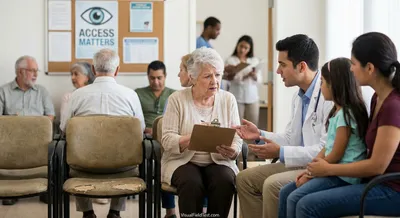
Inequities in access to visual field testing and their outcome consequences
When visual field testing is infrequent, vision loss can slip by unnoticed. Late-stage diagnosis is a common result in underserved populations. Since...
Deep research and expert guides on maintaining your visual health.
When visual field testing is infrequent, vision loss can slip by unnoticed. Late-stage diagnosis is a common result in underserved populations. Since...
Blind spots often develop gradually without symptoms. Start a free trial and take a quick visual field test to spot changes early.
Find Out NowRural health refers to the state of healthcare services and the overall well-being of people who live in countryside and small-town areas. It covers how easy it is for people to see a doctor, get tests, receive treatment, and access preventive care when they live far from cities. People in rural areas often face longer travel distances to clinics, fewer local medical specialists, and smaller hospitals with limited services. Workforce shortages are common: there are fewer doctors, nurses, and other health professionals willing or able to work in remote places. Infrastructure challenges, such as limited public transportation and fewer broadband connections, also make it harder to use telemedicine or schedule follow-up care. Rural communities tend to have higher rates of chronic conditions like diabetes and heart disease, which increases the need for regular medical care. Because of these factors, small health problems can become serious if they are not diagnosed or treated in time. Improving rural health often involves a mix of policy changes, better funding for local clinics, incentives to attract providers, and use of technology to bridge distances. Supporting rural health matters because it affects people's quality of life, work, schooling, and the economic stability of whole communities.