
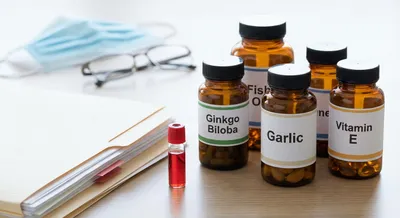
Perioperative Pitfalls: Supplements That Raise Bleeding Risk in Glaucoma Surgery
Many nutritional supplements and herbal remedies affect blood clotting. Below we describe key supplements known to interfere with platelets or...
Deep research and expert guides on maintaining your visual health.
Many nutritional supplements and herbal remedies affect blood clotting. Below we describe key supplements known to interfere with platelets or...
Screen your peripheral vision from home — no downloads, no waiting rooms. Sign up for a free trial and test in under 5 minutes.
Herbal medicine refers to the use of plants or plant extracts to prevent or treat illness. People have used these remedies for thousands of years in many cultures. Today they are available as teas, capsules, tinctures, ointments, and other forms. Some contain active chemicals that can have real effects on the body, either helpful or harmful. That means herbal preparations can ease symptoms, interact with prescription drugs, or cause side effects. Unlike most prescription medicines, many herbal products are not tightly regulated for consistency, purity, or dosage. Because of that variability, two products with the same plant name might work differently or contain unexpected ingredients. It matters to tell your health professionals about any plant-based remedies you use so they can watch for interactions and adjust care safely. If you are thinking about trying an herbal treatment, look for reliable information, start with small doses, and discuss it with a clinician. Paying attention to quality, possible side effects, and how the remedy fits with other treatments helps keep you safer and better informed.