
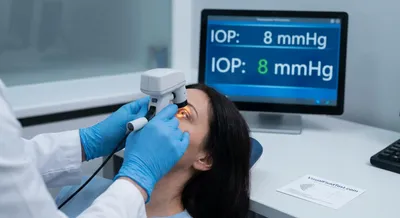
Targeting Very Low IOPs: Achieving Single‑Digit Pressures Safely
Trabeculectomy (filtering surgery) creates a new drainage path for fluid (aqueous humor) to leave the eye under the eyelid. Surgeons remove a small...
Deep research and expert guides on maintaining your visual health.
Trabeculectomy (filtering surgery) creates a new drainage path for fluid (aqueous humor) to leave the eye under the eyelid. Surgeons remove a small...
Screen your peripheral vision from home — no downloads, no waiting rooms. Sign up for a free trial and test in under 5 minutes.
A tube shunt is a small medical device placed in the eye to help drain excess fluid and lower pressure. It usually has a tiny flexible tube connected to a plate that sits under the outer eye tissue, creating a new pathway for fluid to leave the eye. By diverting fluid away from the eye’s natural drainage routes, the device reduces fluid buildup that can damage the optic nerve. Surgeons use tube shunts when other treatments like medicines or less invasive procedures have not controlled pressure adequately. The operation is done in an operating room and most patients go home the same day. Tube shunts can preserve vision by preventing the high pressure that harms the optic nerve, but they are not without risks. Possible complications include infection, too-low pressure, erosion of the tube through the surface of the eye, or the device becoming blocked. Eye doctors monitor patients closely after placement and may adjust medicines or do additional procedures if problems occur. Choosing a tube shunt involves weighing the potential for long-term pressure control against the chance of complications, and it can be a sight-saving option for many people. Understanding how the device works and what to expect after surgery helps patients take part in decisions about their care.