
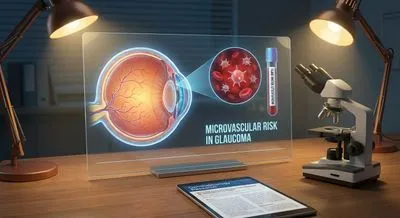
Platelet Metrics (Mean Platelet Volume) and Microvascular Risk in Glaucoma
Platelets are small, disk-shaped cells in your blood that stop bleeding by clumping together to form clots. When your blood vessels or endothelium...
Deep research and expert guides on maintaining your visual health.
Platelets are small, disk-shaped cells in your blood that stop bleeding by clumping together to form clots. When your blood vessels or endothelium...
Our visual field test is inspired by the perimetry methods eye care professionals use. Check for blind spots and track changes over time.
Test Your VisionSmoking cessation means stopping the use of tobacco products and inhaling their smoke. It can be done suddenly or gradually, and people often use tools like nicotine replacement therapy, prescription medicines, counseling, support groups, or digital apps to help manage cravings. Withdrawal symptoms such as irritability, increased appetite, and strong urges to smoke are common at first but usually ease over days to weeks. Many people need several attempts before they quit for good, and combining behavioral support with medication improves the chances of success. Quitting smoking brings rapid and long-term health benefits: within days circulation and lung function begin to improve, and over months and years the risk of heart disease, stroke, and many cancers falls. It also helps wound healing, lowers inflammation, and improves blood flow to small vessels, which can protect organs including the eyes. Stopping smoking is one of the most effective actions someone can take to improve overall health and life expectancy. Support from friends, family, and healthcare professionals makes quitting more achievable and helps prevent relapse.