

Protein Intake, Homocysteine, and Pseudoexfoliation Glaucoma Risk
Controlled diet studies in healthy volunteers show exactly this relationship: an 8-day high-protein diet (about 21% of energy from protein, versus...
Deep research and expert guides on maintaining your visual health.
Controlled diet studies in healthy volunteers show exactly this relationship: an 8-day high-protein diet (about 21% of energy from protein, versus...
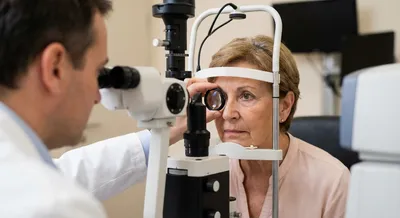
In this article we will explore unilateral and asymmetric glaucoma in depth. We begin with why one eye can be affected more than the other, then...
Our visual field test is inspired by the perimetry methods eye care professionals use. Check for blind spots and track changes over time.
Test Your VisionPseudoexfoliation syndrome is an age-related eye condition in which flaky, dandruff-like material builds up on structures inside the front part of the eye. This material deposits on the lens, the iris, and the tiny drainage structures that help fluid leave the eye. Because it affects the drainage system, the condition increases the risk of higher fluid pressure and a form of glaucoma that can be harder to control. It may start in one eye and later appear in the other, so initial unilateral findings do not mean it will stay isolated. Many people have no early symptoms, but signs can be seen during a slit-lamp exam by an eye doctor who will notice the characteristic material and other clues like uneven pupil behavior. The exact cause is not fully understood, but genetic factors and environmental influences are thought to play a role. Because the condition can also weaken the fibers that hold the lens in place, it raises the risk of complications during cataract surgery and requires careful surgical planning. Management focuses on monitoring eye pressure and optic nerve health closely, using pressure-lowering drops or procedures if glaucoma develops. Early detection is important because glaucoma related to this condition can progress more quickly and be more resistant to treatment. If pseudoexfoliation is found, your eye doctor will usually recommend more frequent check-ups and may adjust surgical techniques to reduce risk. Knowing you have this condition helps guide both regular care and any future eye surgeries to protect long-term vision.