
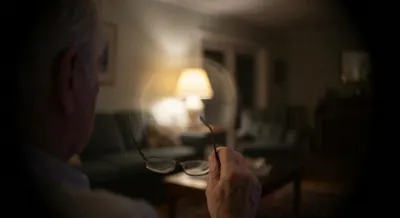
What Are the Symptoms of Glaucoma
As POAG progresses, symptoms emerge only gradually. Patients may describe difficulty discriminating contrast, or an unusual glare or halo around...
Deep research and expert guides on maintaining your visual health.
As POAG progresses, symptoms emerge only gradually. Patients may describe difficulty discriminating contrast, or an unusual glare or halo around...
Screen your peripheral vision from home — no downloads, no waiting rooms. Sign up for a free trial and test in under 5 minutes.
Peripheral vision loss means losing the ability to see things that are to the sides of where you are looking, while central vision remains clearer. People often describe it as tunnel vision, or the feeling that they can’t see objects off to the side until they are very close or in front of them. This kind of loss can happen slowly or suddenly and may make it hard to navigate crowded places, drive safely, or notice hazards approaching from the side. Causes range from pressure-related eye conditions and retinal problems to strokes or brain issues that affect the visual pathways. An eye doctor can measure side vision with specialized tests to find where and how much vision is affected. It matters because peripheral vision plays a big role in balance, mobility, and safety; losing it increases the risk of falls, accidents, and loss of independence. Early identification can lead to treatments or lifestyle changes that help protect remaining vision and reduce risks. If you begin to bump into things, have trouble seeing in dim light, or notice narrowing of your visual field, getting checked out sooner rather than later is a good idea.