
What Are the Symptoms of Glaucoma
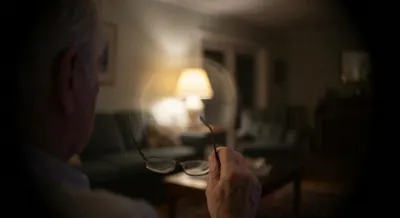
As POAG progresses, symptoms emerge only gradually. Patients may describe difficulty discriminating contrast, or an unusual glare or halo around...
Deep research and expert guides on maintaining your visual health.
As POAG progresses, symptoms emerge only gradually. Patients may describe difficulty discriminating contrast, or an unusual glare or halo around...
Our visual field test is inspired by the perimetry methods eye care professionals use. Check for blind spots and track changes over time.
Test Your VisionNight driving difficulty means having trouble seeing clearly or reacting safely while driving in low-light conditions. People with this problem often struggle with glare from headlights, reduced contrast, and poor depth perception when streetlights are dim or absent. Common causes include natural aging of the eye, cataracts, uncorrected vision problems, dry eyes, and certain medications that affect pupil size or clarity of vision. Eye diseases such as glaucoma or diabetic retinopathy can also worsen night vision by damaging the optic nerve or the retina. Even temporary issues like fatigue or alcohol can make night driving much harder. This matters because poor vision at night increases the risk of accidents and can limit independence for people who rely on driving. Addressing the problem starts with an eye exam to check for medical causes and to update prescriptions for glasses or contact lenses. Solutions that help include using lenses with anti-reflective coating, ensuring good windshield and eyeglass cleanliness, and adjusting dash lighting and mirrors to reduce glare. Treatment of underlying conditions, brighter street lighting, and avoiding driving during the worst hours can also make driving safer. If night driving difficulty is new or getting worse, it is important to see an eye care professional because it can be a sign of a treatable condition.