
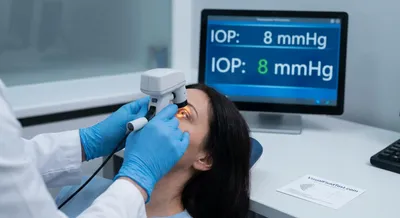
Targeting Very Low IOPs: Achieving Single‑Digit Pressures Safely
Trabeculectomy (filtering surgery) creates a new drainage path for fluid (aqueous humor) to leave the eye under the eyelid. Surgeons remove a small...
Deep research and expert guides on maintaining your visual health.
Trabeculectomy (filtering surgery) creates a new drainage path for fluid (aqueous humor) to leave the eye under the eyelid. Surgeons remove a small...
Our visual field test is inspired by the perimetry methods eye care professionals use. Check for blind spots and track changes over time.
Test Your VisionHypotony means the pressure inside the eye is abnormally low. The eye normally has a certain amount of fluid pressure that helps it hold its shape and keep internal structures in the right positions. When that pressure falls too far, tissues can collapse or become distorted, and the eye cannot function normally. Low eye pressure can result from surgery, injury, some medicines, or diseases that reduce fluid production or increase fluid drainage. Symptoms may include blurred vision, a sense of the eye being soft or uncomfortable, and sometimes visible changes in the shape of the eye. Hypotony matters because it can threaten sight and lead to permanent damage if not treated. Chronic low pressure can cause wrinkling of the retina or choroid, maculopathy, and worsening of vision that is sometimes hard to reverse. Doctors usually look for the cause and try to restore a safer pressure using medication adjustments, procedures that reduce excessive drainage, or treatments that increase fluid production. Close monitoring is important so care can be adjusted quickly to protect vision and the health of the eye.