
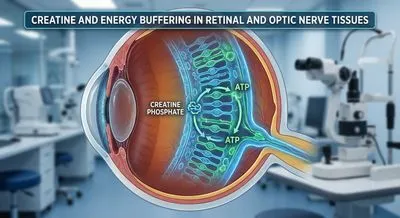
Creatine and Energy Buffering in Retinal and Optic Nerve Tissues
Importantly, this system exists not only in muscle but in nerve cells. Neurons (including RGCs) express CK isoforms that enable them to use creatine....
Deep research and expert guides on maintaining your visual health.
Importantly, this system exists not only in muscle but in nerve cells. Neurons (including RGCs) express CK isoforms that enable them to use creatine....
Screen your peripheral vision from home — no downloads, no waiting rooms. Sign up for a free trial and test in under 5 minutes.
Fluid balance is the process of keeping the right amount of water and dissolved minerals in the body so cells and organs can work properly. The body contains water in different spaces — inside cells and in the fluid that surrounds them and the blood — and it constantly moves water and salts back and forth to keep concentrations steady. Sensors in the brain and in blood vessels monitor how concentrated the blood is and how much fluid is circulating, and they trigger responses like thirst or hormone signals. Hormones such as antidiuretic hormone and aldosterone tell the kidneys how much water and salt to keep or let go, so urine output changes to match the body’s needs. Proper fluid balance supports blood pressure, nutrient delivery, digestion, and temperature regulation. When balance is upset, dehydration makes you feel weak, dizzy, and thirsty, while having too much fluid can cause swelling and strain the heart. Everyday habits like drinking when thirsty, eating a varied diet, and adjusting fluid intake during hot weather or exercise help maintain balance. Certain illnesses or medicines can make fluid management harder, so people with those conditions may need to follow special advice from a healthcare provider.