
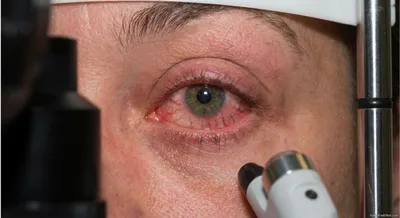
Carotid-Cavernous Fistula and Glaucoma: Venous Hypertension at the Eye
Early signs of a CCF can include a red, swollen eye, a bulging eyeball (proptosis), a noise like a whoosh in the head (bruit), and vision changes....
Deep research and expert guides on maintaining your visual health.
Early signs of a CCF can include a red, swollen eye, a bulging eyeball (proptosis), a noise like a whoosh in the head (bruit), and vision changes....
Visual field loss from conditions like glaucoma can go unnoticed. Start a free trial and screen for potential blind spots in minutes.
Angiography is a medical imaging technique used to look directly at blood vessels. It involves introducing a contrast agent into the bloodstream and taking images with X-rays, CT, or MRI to show the shape, size, and flow inside arteries and veins. Doctors use it to find blockages, narrowing, aneurysms, leaks, or abnormal connections between vessels. The images can reveal where blood flow is reduced or where dangerous changes are starting, which helps guide treatment decisions. Some angiography procedures are purely diagnostic, while others allow the doctor to treat the problem at the same time by placing stents, delivering clot-busting drugs, or performing other minimally invasive repairs. Because it visualizes the actual vessels, angiography often provides clearer, more specific information than general imaging alone. The test is usually done by a specialist using local numbing and a small catheter, so recovery is often quick compared with open surgery. There are risks to consider, such as allergic reactions to the contrast, bleeding at the insertion site, or, rarely, damage to the vessel or kidney effects from the dye. Despite these risks, angiography has become a standard, lifesaving tool for diagnosing and treating many cardiovascular and neurological conditions. Its ability to both diagnose and guide treatment makes it a powerful option for people with suspected vascular disease.