
How to Prevent Glaucoma
Regular comprehensive eye exams are critical because glaucoma damage is often silent until it is advanced. By getting an exam early (a “baseline”...
Deep research and expert guides on maintaining your visual health.
Regular comprehensive eye exams are critical because glaucoma damage is often silent until it is advanced. By getting an exam early (a “baseline”...
Visual field loss from conditions like glaucoma can go unnoticed. Start a free trial and screen for potential blind spots in minutes.
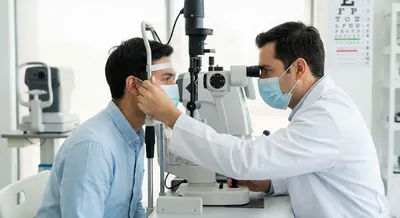
An eye exam schedule refers to how often you should have professional eye checkups to monitor vision and eye health. It is based on your age, general health, family history, and whether you have symptoms or known eye conditions. Children, adults with no known problems, and people at higher risk each have different recommended intervals. Routine exams often include vision tests, measurements of eye pressure, and a check of the optic nerve and retina. Keeping to a regular schedule helps catch slow-developing diseases early, before they cause lasting damage. As a general guide, younger adults may need exams every two to four years while midlife adults should see an eye doctor more often, and older adults typically require yearly checks. People with diabetes, high risk for eye disease, or a family history of eye conditions may need exams every year or even more frequently. Your eye care professional will tell you the best schedule for your situation and will adjust it if problems are found. Sticking to the recommended exam schedule is important because many serious eye conditions have no early symptoms. If you notice changes in vision, sudden pain, flashes of light, or other concerning signs, you should contact an eye care provider immediately rather than waiting for the next routine visit.