
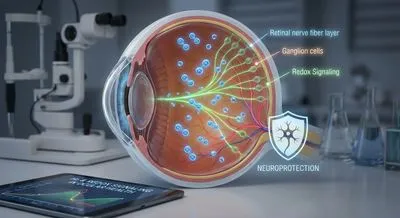
Molecular Hydrogen and Redox Signaling in Ocular Neuroprotection
Beyond pressure-related injury, H₂ has shown benefit in other eye models. In diabetic-like rodents, oral H₂ water improved abnormal retinal blood...
Deep research and expert guides on maintaining your visual health.
Beyond pressure-related injury, H₂ has shown benefit in other eye models. In diabetic-like rodents, oral H₂ water improved abnormal retinal blood...
Blind spots often develop gradually without symptoms. Start a free trial and take a quick visual field test to spot changes early.
Find Out NowAntioxidant therapy refers to treatments that use substances capable of neutralizing harmful molecules called free radicals and reactive oxygen species. These unstable molecules form naturally during metabolism and can damage cells, proteins, and DNA when they accumulate, a process known as oxidative stress. Antioxidant therapy aims to reduce that damage by supplying or boosting compounds that stabilize or remove those reactive molecules. Common examples include vitamins, natural plant compounds, and medications designed to support the body's own antioxidant systems. The idea matters because oxidative stress is linked to aging and many diseases, including heart disease, neurodegenerative disorders, and certain eye conditions. When used correctly, antioxidant strategies can help protect tissues, slow damage, and support recovery after injury. However, not all antioxidant approaches work the same way, and some can be ineffective or even harmful in high doses. Modern research focuses on targeted or balanced approaches that support the body’s natural defenses rather than simply flooding it with large amounts of single compounds. Clinicians consider antioxidant therapy as one part of a broader treatment plan, alongside lifestyle changes and other medical interventions.