
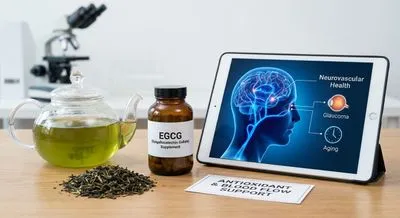
Green Tea Catechins (EGCG) for Neurovascular Health in Glaucoma and Aging
Preclinical studies consistently show EGCG helps RGC survival after injury or elevated IOP. In a mouse glaucoma model (microbead-induced high IOP),...
Deep research and expert guides on maintaining your visual health.
Preclinical studies consistently show EGCG helps RGC survival after injury or elevated IOP. In a mouse glaucoma model (microbead-induced high IOP),...
Visual field loss from conditions like glaucoma can go unnoticed. Start a free trial and screen for potential blind spots in minutes.
Green tea catechins are a group of naturally occurring compounds found in the leaves of the green tea plant. They belong to a class of plant chemicals called polyphenols and are prized for their antioxidant and anti-inflammatory effects. The most abundant and active member of this group is EGCG, but others such as EGC, ECG, and EC also contribute to the overall effect. These compounds can help reduce damage from free radicals, influence how the body processes fats and sugars, and modulate small blood vessel and nerve function. People get catechins by drinking brewed green tea or by taking concentrated supplements, though the amount absorbed and used by the body varies. In moderate amounts from tea, they are generally safe and may support heart health, healthy blood sugar control, and other aspects of metabolic health. High-dose supplements can carry risks like upset stomach or rare liver injury and might interfere with some medications. In short, green tea catechins matter because they are an accessible, well-studied set of plant compounds that can be part of a healthy diet and may contribute to long-term disease prevention when combined with good lifestyle habits. They are not a replacement for medical care, but understanding them helps people make informed choices about beverages and supplements.