
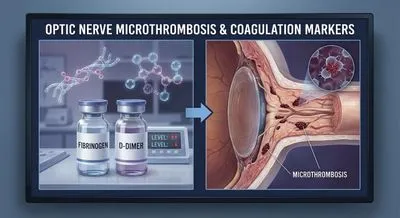
Coagulation markers (fibrinogen and D-dimer) and optic nerve microthrombosis
As a result, researchers have suggested measuring clotting markers like fibrinogen and D-dimer to see if they predict optic nerve problems. This...
Deep research and expert guides on maintaining your visual health.
As a result, researchers have suggested measuring clotting markers like fibrinogen and D-dimer to see if they predict optic nerve problems. This...
Visual field loss from conditions like glaucoma can go unnoticed. Start a free trial and screen for potential blind spots in minutes.
A platelet count is a blood test that measures how many platelets are in a small sample of your blood. Platelets are tiny cell fragments that help your blood clot when you get a cut, so they play an important role in stopping bleeding. Results are usually given as a number per microliter of blood, with common reference ranges for adults falling within a certain band although exact numbers can vary by lab. A lower-than-normal count can make you more likely to bleed easily, bruise, or have trouble stopping bleeding after an injury. A higher-than-normal count can increase the risk of abnormal clotting, which can lead to blockages in blood vessels. Many things can change your platelet count, including infections, certain medicines, autoimmune conditions, bone marrow disorders, and even recent surgeries. Doctors use this test before operations, when bleeding or clotting problems are suspected, and to monitor treatments that affect the bone marrow. Treatment depends on why the count is abnormal and can range from watching and repeating the test to medications, transfusions, or treating the underlying cause. Regular monitoring helps guide care and reduce the chance of serious bleeding or clotting complications.