

Substance P, Pain, and Neuroinflammation in Glaucoma
Substance P (SP) is a signaling molecule made by nerve cells. When nerves are irritated or injured, they release Substance P into the surrounding...
Deep research and expert guides on maintaining your visual health.
Substance P (SP) is a signaling molecule made by nerve cells. When nerves are irritated or injured, they release Substance P into the surrounding...
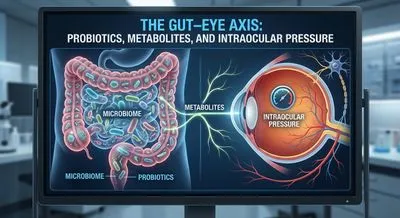
SCFAs are fatty acids with fewer than six carbon atoms, mainly acetate, propionate, and butyrate, produced by gut bacteria digesting fiber. They...
Ocular inflammation means the eye’s tissues are reacting to injury, infection, or an overactive immune response. It can affect different parts of the eye, from the surface to deeper structures like the uvea or the retina, and each location causes different symptoms. Common signs include redness, pain, light sensitivity, blurry vision, and increased tearing. Causes can range from common infections and allergies to autoimmune diseases, injuries, or reactions to medications. Left untreated, ongoing inflammation can scar delicate eye tissues and lead to permanent vision loss. Doctors diagnose it by looking into the eye, measuring vision and pressure, and sometimes using imaging or lab tests to find the underlying cause. Treatment depends on the cause and severity and may include eye drops, antibiotics, steroids, or systemic immune-suppressing medicines. Because inflammation in the eye can signal a broader health problem, managing it often requires checking for general medical conditions too. Prompt care can often control symptoms and protect sight, so recognizing signs early and seeing a clinician matters a great deal.