
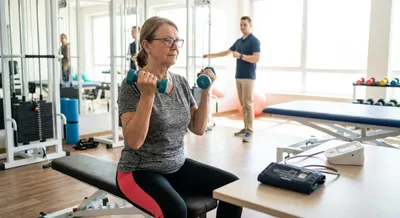
General Resistance Training and Glaucoma: Building Strength While Managing IOP Spikes
Heavy vs. Moderate Loads: Multiple studies find that heavier weights cause bigger IOP spikes. For example, one review noted that lifting heavy loads...
Deep research and expert guides on maintaining your visual health.
Heavy vs. Moderate Loads: Multiple studies find that heavier weights cause bigger IOP spikes. For example, one review noted that lifting heavy loads...
Our visual field test is inspired by the perimetry methods eye care professionals use. Check for blind spots and track changes over time.
Test Your VisionElderly fitness refers to the physical abilities and health practices that help older adults stay strong, mobile, and independent. It includes components like muscular strength, aerobic endurance, balance, flexibility, and coordination. As people age, maintaining these areas helps with everyday tasks like climbing stairs, carrying groceries, and getting up from a chair. Improved fitness reduces the risk of falls, chronic diseases such as heart disease and diabetes, and can ease joint pain. Programs for older adults are usually adapted to match individual health status and may include resistance exercises, walking, balance work, and stretching. Safety is important, so exercises should progress slowly, focus on proper form, and consider bone health and any medical conditions. Strength training is especially valuable because it helps preserve muscle mass and bone density that decline with age. Social benefits also matter: group classes or exercising with friends can improve mood, motivation, and cognitive function. Staying active later in life improves quality of life, prolongs independence, and is one of the best ways to age well.