
How to Test for Glaucoma
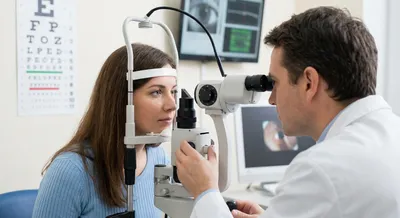
Goldmann Applanation Tonometry (GAT) is the gold standard for IOP measurement. () In this test, a tiny probe gently flattens (“applanates”) the...
Deep research and expert guides on maintaining your visual health.
Goldmann Applanation Tonometry (GAT) is the gold standard for IOP measurement. () In this test, a tiny probe gently flattens (“applanates”) the...
Track peripheral vision changes between eye doctor visits. Start your free trial and get results in under 5 minutes.
Pachymetry is the measurement of the thickness of the cornea, the clear front surface of the eye. It tells you how thick or thin the cornea is at a particular spot, usually the center, and the results are reported in micrometers. Doctors measure corneal thickness using a small probe that touches the eye or with non-contact instruments that use light or ultrasound to make the measurement. The test is quick, painless, and typically takes only a few minutes, so it is easy to include in routine eye checkups. Because the cornea can vary in thickness from person to person and from one area to another, clinicians often take several measurements to get an accurate picture. Knowing corneal thickness matters because it affects other important eye measurements and decisions. For example, the common test for eye pressure can give readings that are too low or too high if the cornea is unusually thin or thick, so pachymetry helps doctors interpret those results correctly. It is also a key factor when considering procedures like laser vision correction, since surgeons need to make sure enough corneal tissue will remain after treatment. Pachymetry helps detect and monitor corneal problems such as swelling, thinning conditions, and healing after surgery or injury. Overall, it’s a simple but vital measurement that helps eye care providers assess risk, make treatment choices, and track changes in corneal health over time.