
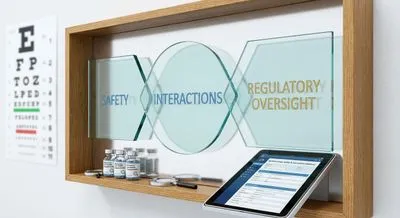
Safety, Interactions, and Regulatory Oversight of Glaucoma Supplements
Multiple supplements are promoted in glaucoma, often for their antioxidant or circulation effects. For example, Ginkgo biloba is thought to improve...
Deep research and expert guides on maintaining your visual health.
Multiple supplements are promoted in glaucoma, often for their antioxidant or circulation effects. For example, Ginkgo biloba is thought to improve...
Track peripheral vision changes between eye doctor visits. Start your free trial and get results in under 5 minutes.
Anticoagulant interactions happen when other medicines, supplements, foods, or medical conditions change how blood thinners work in the body. Blood thinners are used to prevent dangerous clots, but their effect must be balanced: too much thinning raises the chance of bleeding, while too little increases clot risk. Interactions can make anticoagulants stronger or weaker by altering how the drugs are absorbed, broken down, or removed from the body, or by adding extra blood-thinning effects. Common culprits include certain prescription drugs, over-the-counter pain relievers, herbal supplements, and even some foods that affect liver enzymes or platelet function. Because the consequences can be serious, people on anticoagulants need careful monitoring, regular blood tests for some drugs, and clear communication with their healthcare team before starting or stopping any other product. Providers often adjust doses, recommend safer alternatives, or schedule more frequent checks to manage interactions. Knowing the signs of abnormal bleeding and having an action plan for emergencies is also important. Keeping an up-to-date medication list and asking a pharmacist or doctor about potential interactions helps reduce risk and keeps treatment both safe and effective.